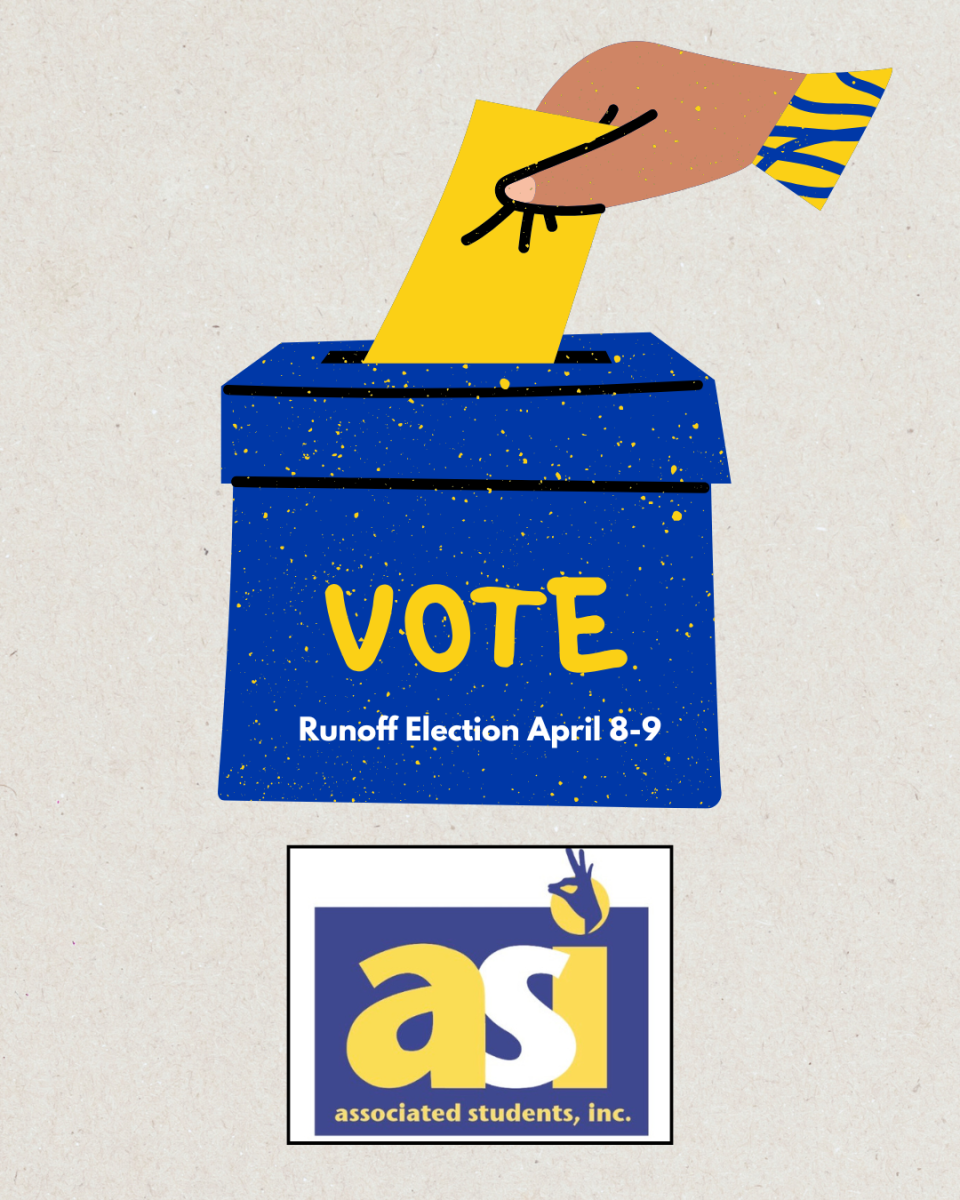
A runoff election for the next Associated Students, Inc. president at Cal State Bakersfield will take place April 8–9 after no candidate received a majority in the first round of voting.
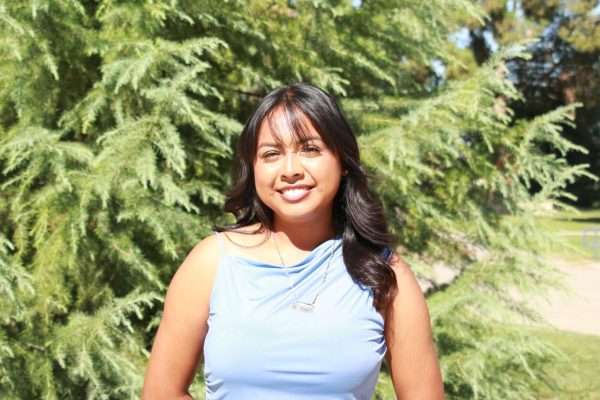
The race is between Noor Kaur and Nevaeh Williams-Cardenas, the top two finishers in the initial election.
Voter turnout was under 9% of the student population. Still, participation reached its highest level in recent years, with 906 students casting ballots, according to Ilaria R. Pesco, director of campus recreation and wellbeing.
Pesco, who has been at CSUB since 2016, said this year’s turnout marks the largest she has seen during her time at the university.
“Students’ voices are so important, and I wish every student believed that their voice mattered,” Pesco said.
Despite the increase, the relatively low turnout highlights ongoing concerns about student engagement, according to campus officials and the candidates. Both candidates said the results show progress, but also underscore the need to better connect with students who feel disconnected from ASI.
“The first round showed that a large portion of our campus hasn’t felt compelled to participate, and this is something I take seriously,” Kaur said. “A vote for me is a vote for a president who will make sure your voice is heard beyond the ballot.”
Kaur said her campaign is centered on building stronger relationships between ASI and the student body through consistent, year-round engagement.
“I’m committed to building real, accessible connections between ASI and every student on this campus.” said Kaur.
Williams-Cardenas said the close margin between candidates has increased the importance of outreach heading into the runoff election.
“Going into the runoff, my expectations and focus are centered around student connection and turnout,” Williams-Cardenas said. “The first round showed that the race is incredibly close, which means every vote matters.”
She said her campaign has prioritized direct interaction with students across campus to build trust and understanding.
“I’m expecting to earn students’ support by meeting them where they’re at,” Williams-Cardenas said. “I’ve taken initiative to go out and engage with students in between their classes, during their practices, and club meetings.”
Both candidates identified student disconnection from ASI as a key issue in the election.
Kaur attributed the gap in part to a lack of visibility and communication from student leadership.
“Disconnection doesn’t happen by accident,” she said. “My plan is to bring ASI to where students already are and create consistent touchpoints so that ASI isn’t something students only hear about during election season.”
Williams-Cardenas echoed that approach, emphasizing the importance of engaging students in familiar, everyday campus spaces.
“Reaching disconnected students starts with meeting them where they are, which is usually the classroom, student organization meetings, and everyday campus spaces,” she said. “Seeing ASI members in their everyday campus life is so important.”
She added that increasing ASI’s presence must go beyond digital outreach.
“Social media is a great way for outreach, but direct interaction matters,” Williams-Cardenas said. “All students should feel connected to ASI.”
Williams-Cardenas also outlined potential initiatives aimed at improving student life, including expanding meal plan options, addressing transportation challenges for commuting students, and increasing attention to campus safety.
“These are all efforts I believe will make ASI more relevant to everyday students,” she said.
Kaur said another challenge is that many students may not fully understand ASI’s role or impact on campus.
“I don’t think most students fully understand what ASI does, and that’s not entirely their fault,” Kaur said. “We haven’t done enough to communicate our impact in a clear, relatable way.”
If elected, Kaur stated she would prioritize transparency around ASI’s responsibilities including funding decisions, advocacy efforts, and campus programming to help students better understand how their involvement can influence campus outcomes.
Williams-Cardenas also encouraged students who did not vote in the first round to participate in the runoff emphasizing the significance of each ballot.
“Voting is a chance for your voice to be heard,” Williams-Cardenas said. “Since the runoff is smaller, your vote carries even more weight.”
Both candidates closed with messages encouraging broader student participation in the election.
“This runoff is an opportunity to choose leadership that will show up for you consistently,” Kaur said.
Williams-Cardenas thanked students who have already participated and urged others to get involved.
“This is our campus,” Williams-Cardenas said. “Your voice, ideas, and experiences matter. I encourage everyone to stay informed and vote.”
The runoff election will determine the next ASI president by majority vote. Students can cast their ballots online during the two-day voting period.