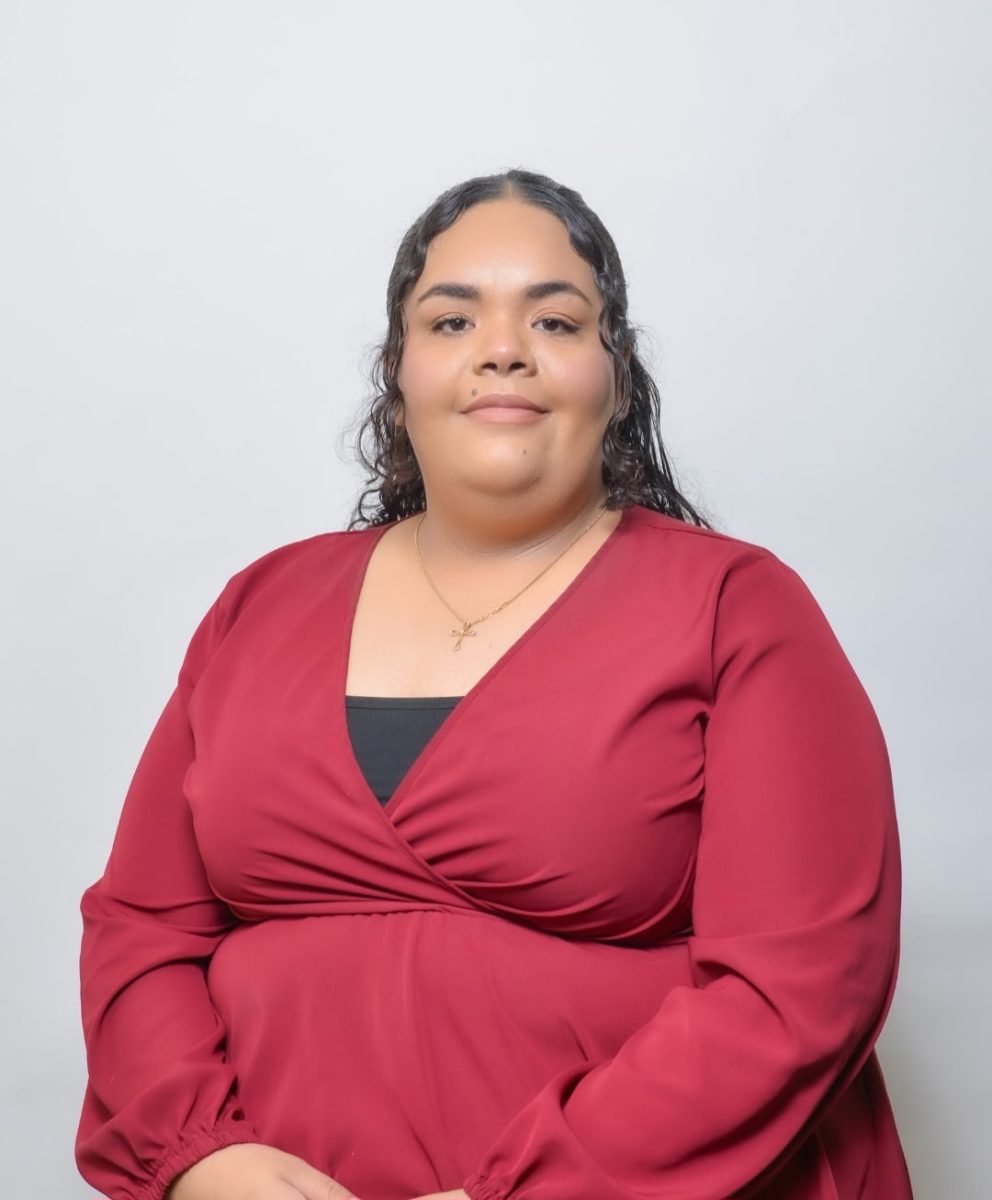
As families gathered to celebrate the end of 2019, Itzel Garcia, a student member of the College Assistance Program for Migrants at Cal State Bakersfield, stood proudly among students who had completed their first year of college. For many in the room, the milestone was one of resilience and hope. Just a few years ago, she had been sitting in their place, uncertain, determined, and searching for support.
Garcia, the second oldest of five siblings, was born in Pomona, California. In fourth grade, her family moved to Kern County during a period when many migrant families were relocating to the area. She grew up in the small town of Lamont, carrying with her the experiences of a migrant background and the challenges that often come with being part of an underserved community.
After graduating from Arvin High School in 2017, Garcia enrolled at CSUB, where she pursued a bachelor’s degree in psychology. When she was a freshman, she joined the CAMP program, which supports students from migrant and seasonal farm working families. The program shaped not only her college experience, but also her future career.
After completing her first year, Garcia was offered an opportunity to work in a summer program at CAMP. She would work behind the scenes while still being a student and was eventually hired as a staff member before graduating. That summer she supported students by mentoring and advising them. What began as support for her own academic journey evolved into a professional calling.
“I’ve seen her grow from a student to a peer mentor, to graduating from CSUB, and eventually becoming full-time staff on campus. Technically, since she was a student, she has been my coworker. I’ve witnessed her growth every step of the way,” said CAMP Director Omar Correa.
García worked tirelessly for the CAMP students at CSUB, but also collaborated with some Bakersfield high schools to provide them with better opportunities, so that the students could obtain scholarships.
“Itzel supported me in many ways, first, she helped me through the process of my application to get in in the CAMP program, ” said Tania Castillo, pre-health sophomore.
García later served as an academic mentor and then later as an academic advisor for more than two years. One of the most meaningful moments for her every year is the program’s end-of-year celebration, where first-year students are recognized alongside their families. Many students do not make it through their first semester, she explained, which makes completing the year a significant achievement.
“Just seeing them move on and eventually graduate and go into their careers,” she said, “knowing I was able to help a small portion of that impact, that means everything.”
Through her work, García says she has grown from student to professional earlier than she expected. She has presented at the national level, including presentations about the CAMP program, spoken in large classrooms, and built networks within the community. These experiences, she said, have helped her adapt to change and embrace new challenges something she is most proud of today.
She has also learned the importance of building a strong support system. While family provid emotional strength, she emphasizes the need for professional mentors who can offer guidance, opportunity and accountability.
Looking ahead, Garcia admits that the uncertainty of the future can be intimidating. However, her faith gives her confidence that challenges serve a purpose. She believes growth often comes through trials and reflection.
When asked how she hopes to be remembered, her answer is simple: kind and helpful.
“In the world we live in today, a lot of people want to fight to get to the top,” she said. “But we can all help one another succeed. At the end of the day, what follows us is who we were and how we treated people.”
For García, success is not about titles; it is about impact. And in the lives of the students, she continues to guide; that impact is already clear.
The CAMP program was cut due to funding changes. As a result, the program that previously supported students, especially those from migrant and seasonal farmworker families, was no longer able to operate, leaving many students without that resource.
García has not worked with the program since the beginning of this semester in Jan. 2026, yet many students still stop by asking for her, even those who were not part of CAMP. Some are surprised to learn she is no longer there. Correa said her absence is a reflection of the strong relationships she built with students across campus.
That passion for giving back led García to her current role as a Support Counselor II at Aspiranet in Bakersfield, where she supports children and families through foster care and mental health programs while continuing to serve her community.